The UK is full of incredible architectural gems, and they’re looked after through a couple of key ways to keep our history alive. If you’re a homeowner, a builder, or someone who just gets excited about old buildings, figuring out the difference between listed buildings and conservation areas can save you a lot of headaches.
Both are all about protecting our cultural treasures, but one zooms in on individual standout structures, while the other covers bigger neighbourhoods or districts.
In this post, we’ll break down those differences, chat about how they fit into today’s world with things like eco-upgrades, and share some handy tips along the way.
Let’s paint a picture: Imagine a standalone Regency villa getting listed because of its one-of-a-kind features, like ornate cornices or original fireplaces.
On the flip side, an entire street of Victorian terraced houses in a quaint village might sit in a conservation area to keep that overall cosy, unified feel intact.
What Exactly Are Listed Buildings?
Listed buildings are those special spots – think churches, manor houses, or even old pubs – that get official recognition for their standout architecture or history. They’re protected under laws like the 1990 Planning Act, which covers both listed stuff and conservation spots.
In England, there are hundreds of thousands of these, split into categories: Grade I for the absolute top-tier ones, Grade II* for really important examples, and Grade II for those with special interest.
The rules are pretty strict here. If you want to make any changes that could affect what makes the building unique – inside or out – you’ll need special consent from your local council, on top of normal planning permission.
That could mean anything from knocking down a wall to adding an extension or even swapping out doors.
The Main Bits About Listed Building Protection
- What’s Covered: The whole shebang – interiors, fittings, and sometimes even things around it like garden walls or sheds.
- The Restrictions: Do something without approval, and you could face fines or have to undo it all. The key is making changes that can be reversed if needed.
- The Upsides: It can actually increase your property’s value and helps preserve our shared history, though it might slow down modern tweaks.
If you’re tackling a project like this, chatting with heritage architects – like the folks at GRK Architecture – can help you navigate the approvals and blend old charm with new needs without a hitch.
This photo shows a classic British protected manor, spotlighting the cool details that make it worth saving.
What About Conservation Areas?
Conservation areas are a bit broader – they’re zones, with nearly 10,000 in England alone, where the whole look and feel of a place has that special historic or architectural vibe worth hanging onto. We’re talking villages, city centres, or suburbs, where it’s the big picture that matters more than any single building.
The focus is mostly on the outside: You’ll need permission for things like demolishing stuff, certain extensions, or even trimming trees, but inside your home? Usually, you can do what you like unless it’s also listed. Local councils might add extra rules to control everyday changes.
The Main Bits About Conservation Area Protection
- What’s Covered: The overall setup – think street layouts, materials used, and scenic views – instead of picking apart individual bits.
- The Restrictions: It’s more relaxed than listing; the goal is to keep or boost the area’s appeal, often with local reviews to guide what you can do.
- The Upsides: It builds community spirit and draws in visitors, plus gives you more wiggle room for updates.
Here’s a sign marking out a conservation area, giving you a sense of how these spots are flagged in real life.
The Key Differences Between Listed Buildings and Conservation Areas
When people chat about listed buildings vs conservation areas, it often comes down to close-up detail vs the wider view. Listing is like a laser-focused shield for amazing individual buildings, while conservation areas act as a blanket over groups of places to keep everything harmonious.
How Strict and What They Cover
- For listed buildings, you need sign-off for anything that touches the core character, including inside jobs; conservation areas stick mostly to exteriors and big removals.
- A building in a conservation area doesn’t automatically get listed, but if it does, expect double the checks.
Getting Permissions and What It Means
- Listed: You might need two lots of approval (regular planning plus special consent), and it’s even tighter in places like national parks.
- Conservation Areas: Standard permission often does the trick, but watch out for added rules that limit things like new cladding or dishes.
- Where They Overlap: Loads of listed buildings are inside conservation areas, so you get a mix of both sets of rules.
How It Affects You as an Owner
- If your place is listed, expect higher costs and longer waits for any work; in a conservation area, you’ve got more freedom but still need to fit in with the local style.
- Both can make your property more attractive to buyers, though lots of owners find the permission process a bit of a drag.
This handy chart compares features of older buildings, making it easier to see how protections stack up.
What This Means for Renovations and Builds
Dealing with rules in conservation areas versus listed ones can shape everything from adding a room to upgrading your heating. In conservation spots, plans that match the existing materials and style usually sail through; for listed buildings, you’ll need solid proof that your changes won’t harm the originals.
Eco-upgrades are a big deal right now, and both can throw up challenges. Studies show old rules are blocking things like better insulation or heat pumps in tons of these properties. But good news – new ideas like country-wide fast-track approvals are coming in to make low-risk tweaks easier.
Quick Tips for Property Owners
- Check Your Status: Hop onto heritage websites to see what applies to your place.
- Get Advice Early: Talk to conservation pros or architects right away – it can stop pricey mistakes down the line.
- Go Green Smartly: Choose reversible options that put the building’s fabric first, so you hit eco goals without messing up the history.
- If Things Go Wrong: Denied permission? Tweaks or appeals with good evidence often work out.
For more ideas, check out our posts on “Modernising Protected Buildings” or “Green Makeovers for Historic Homes“.
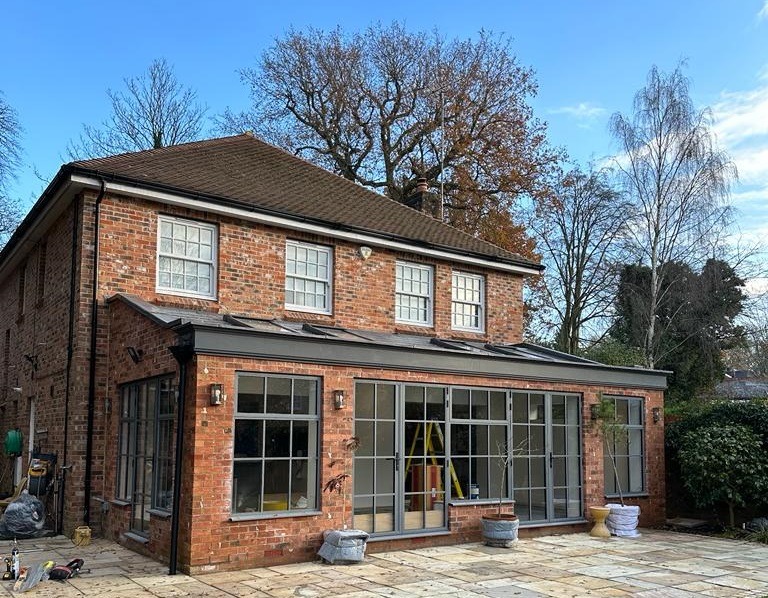
This pic shows an old building getting a sustainable spruce-up, proving you can update while respecting the past.
What’s Happening in 2026: Changes to Heritage Protection
Fast-forward to 2026, and new laws are shaking things up, like requiring better care for even non-official historic spots and updating policies for smarter development. Conservation areas are getting refreshed to balance saving the old with building new homes, complete with in-depth looks at what makes them special.
There’s a push to fix eco issues too: Councils spend ages on approvals, and not many feel up to speed on green heritage work. Stuff like trial local orders for conservation areas could make life simpler.
Wrapping It Up: Finding the Best Way Forward for Your Property
At the end of the day, the big differences between listed buildings and conservation areas come down to spotlighting icons versus watching over whole areas. Both play a huge role in keeping the UK’s history vibrant, but they need smart planning when it comes to permissions for older properties.
If you’re unsure what this means for your own property, we’re heritage architects, and we would love to help you navigate this process. Why not look up your property’s status today? Drop your thoughts or questions in the comments – we’d love to hear from you!