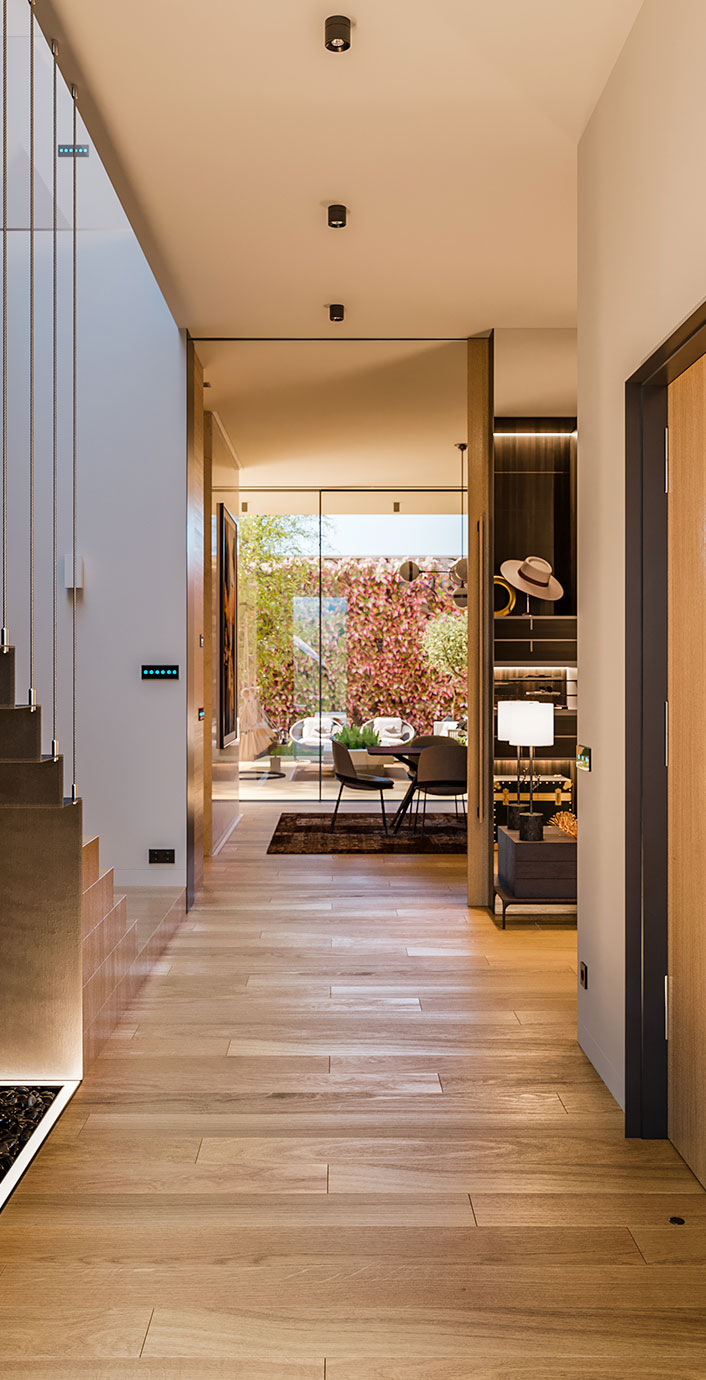
Designing an extension to a historic property is very different from extending a modern home. Listed buildings and properties in conservation areas come with layers of architectural and cultural value that must be understood before any design work begins.
Many homeowners start with a clear idea of the extra space they want but underestimate how much thought is required to integrate an new extension into a historic structure. The most successful projects are not simply about adding square footage. They are about strengthening the relationship between old and new in a way that feels coherent, respectful and practical.
Below, we explain how to approach an extension on a historic property, from early strategy through to design and approval.
Start by understanding the building before designing the extension
The biggest mistake homeowners make is jumping straight into extension design without first understanding the existing building. Historic properties are the result of decades or centuries of change. Their layouts, materials and structural systems often reflect construction methods that behave very differently from modern buildings.
Before any extension is designed, it is essential to analyse what makes the building significant. This includes identifying important architectural features, understanding how the building evolved and recognising which elements must be preserved. Without this foundation, an extension can easily feel imposed rather than integrated.
We begin every historic extension project with a careful assessment of the building and its context. This early stage informs every design decision that follows. By understanding the structure and character of the property, we can identify where change is appropriate and where restraint is required.
This process also helps set realistic expectations. Some parts of a historic building may be more sensitive than others. Recognising these constraints early allows the project to develop in a direction that is both ambitious and achievable.
Define clear priorities for space and function
An extension should solve specific problems, not simply add more area. Historic homes often suffer from awkward circulation, limited natural light or disconnected living spaces. A well designed extension addresses these issues with clarity and purpose.
Homeowners benefit from defining their priorities early. This might include improving kitchen and dining areas, creating stronger connections to the garden or introducing flexible family spaces. When objectives are clearly articulated, the design can focus on delivering meaningful improvements rather than superficial expansion.
It is also important to consider how the extension will affect the way the original building is used. Successful projects improve flow and usability without undermining the character of existing rooms. Historic spaces often have proportions and qualities that should be preserved and celebrated.
We work closely with homeowners to translate practical needs into a coherent spatial strategy. By aligning the extension with the way the home is actually lived in, we ensure that new space enhances rather than competes with the original structure.
Choose an architectural approach that respects the historic fabric
One of the most debated aspects of historic extensions is whether new work should match the existing building or adopt a contemporary language. There is no single correct answer. The appropriate approach depends on the character of the property, its setting and the nature of the intervention.
Some extensions work best when they echo traditional forms and materials, creating a sense of continuity. Others benefit from a clearly contemporary design that distinguishes new from old while remaining visually sympathetic. What matters most is the quality and sensitivity of the design.
Poorly considered imitation can appear superficial, while aggressive contrast can overwhelm the historic structure. The goal is to achieve a balanced relationship in which the extension supports and enhances the original building.
As specialists architects for listed buildings extensions, our design approach is guided by the specific qualities of each project. We study proportions, materials and detailing to ensure that new elements sit comfortably alongside historic fabric. Whether the solution is traditional, contemporary or a hybrid of both, it must feel intentional and well resolved.
Consider scale, massing and relationship to the original building
The physical relationship between the extension and the existing structure is critical. Conservation officers pay close attention to scale and massing because oversized additions can dominate historic buildings and distort their proportions.
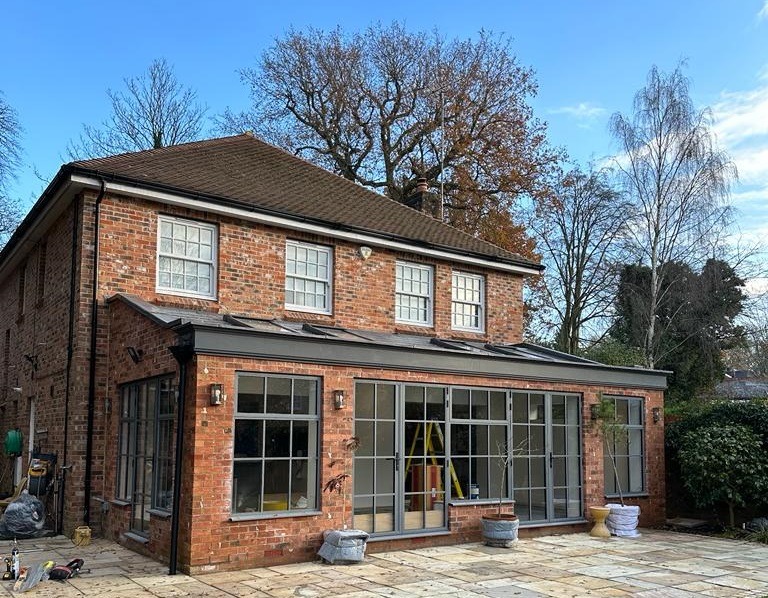
A successful extension is carefully calibrated. It should be subordinate to the original structure, allowing the historic building to remain visually primary. This does not mean the extension must be small, but its form and placement should respect the hierarchy of the site.
Positioning is equally important. Extensions that connect awkwardly or obscure important elevations can undermine architectural clarity. Thoughtful placement preserves key views and maintains the legibility of the original building.
We develop extension designs that respond directly to the geometry and presence of the existing property. By carefully controlling scale and massing, we create additions that feel like a natural evolution rather than an afterthought.
Use materials and detailing that are technically compatible
Historic buildings rely on traditional materials that behave differently from modern construction systems. Introducing incompatible materials can lead to long term performance issues as well as visual discord.
Material selection should consider durability, weathering and compatibility with existing fabric. For example, breathable construction methods are often essential when working with traditional masonry. Inappropriate detailing can trap moisture or accelerate deterioration.
Craftsmanship is also important. Extensions to historic properties benefit from a level of detailing that acknowledges the quality of the original building. Even contemporary designs should demonstrate care and precision in how materials are handled.
We specify materials and construction techniques that are both technically appropriate and visually coherent. This ensures that the extension performs well over time while reinforcing the overall architectural composition.
Engage early with the planning and conservation process
Extensions to historic properties almost always require early engagement with conservation officers and planning authorities. Treating this as a collaborative process rather than an obstacle leads to better outcomes.
Pre application discussions allow proposals to be tested and refined before formal submission. This reduces the risk of refusal and shortens the approval timeline. Clear communication about design intent and heritage impact is essential.
Well prepared applications explain not only what is being proposed but why it is appropriate. They demonstrate an understanding of the building’s significance and show how the extension has been shaped in response.
We manage this process proactively, structuring applications to address the priorities of conservation officers from the outset. By aligning design strategy with regulatory expectations, we help streamline approvals and maintain project momentum.
A thoughtful approach leads to stronger extensions
Extending a historic property is an opportunity to enhance both functionality and architectural quality. The best projects treat the extension as a considered continuation of the building’s story rather than a separate addition.
When design decisions are grounded in a deep understanding of the existing structure, extensions can feel seamless and purposeful. They add value not only in terms of space but also in the way the home is experienced.
We specialise in designing extensions for listed and historic buildings, guiding homeowners from initial strategy through to approval and construction. Our focus is on creating additions that respect heritage while supporting contemporary living.
If you are planning an extension to a historic property and want expert guidance from architects who specialise in heritage projects, contact us to discuss your plans.