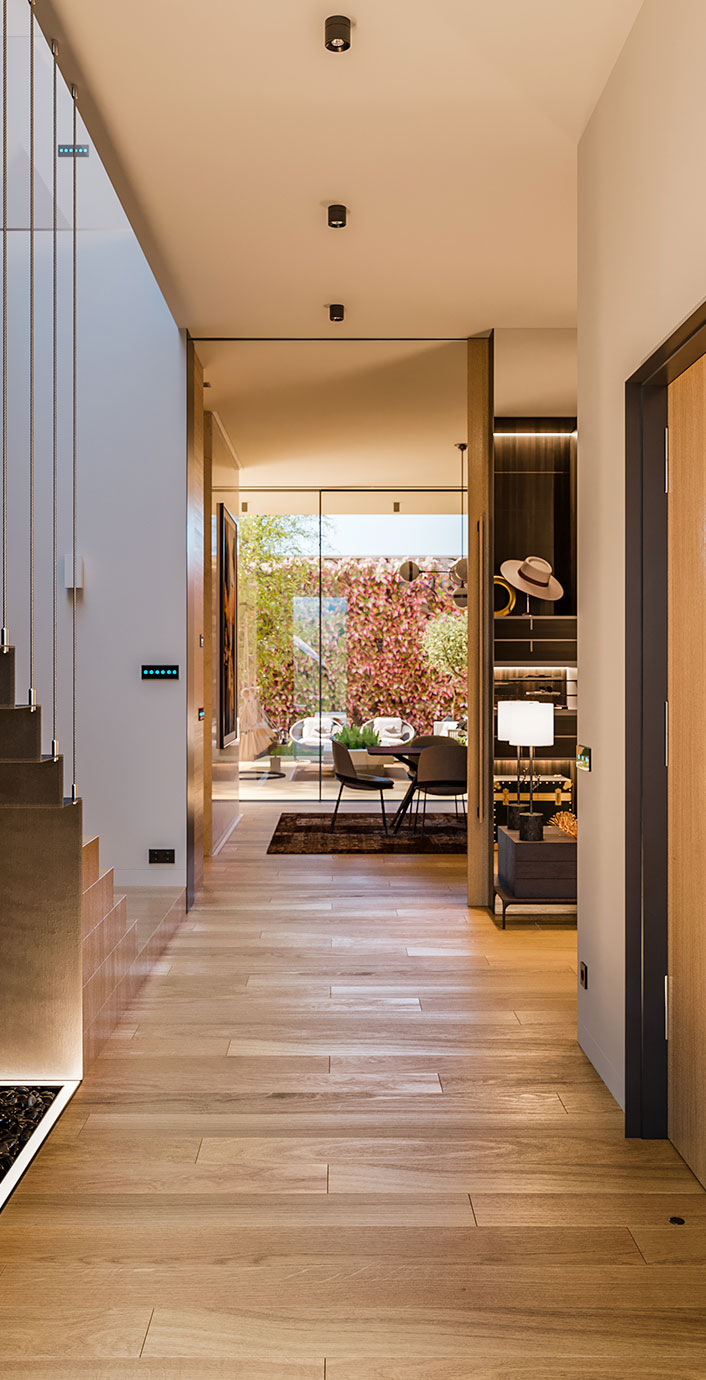
Listed buildings hold a unique charm, from Georgian townhouses with quirky fireplaces and uneven floors that echo stories from centuries past. Yet those draughty windows can drive up energy bills, and modern conveniences like voice-activated lighting would enhance everyday living. The central question is: can a listed building be modernised without compromising its essence? Yes, it certainly can. By thoughtfully blending historical appeal with contemporary smart technology – such as updating a Victorian property with subtle AI elements – heritage can be preserved while incorporating energy-efficient retrofits that make life more comfortable.
Consider a real-world example: a homeowner transformed their Grade II listed cottage into a connected space by installing concealed solar panels that maintained the thatched roof. This kind of innovative approach is what will be explored here.
Understanding Listed Buildings: The Rules of Engagement
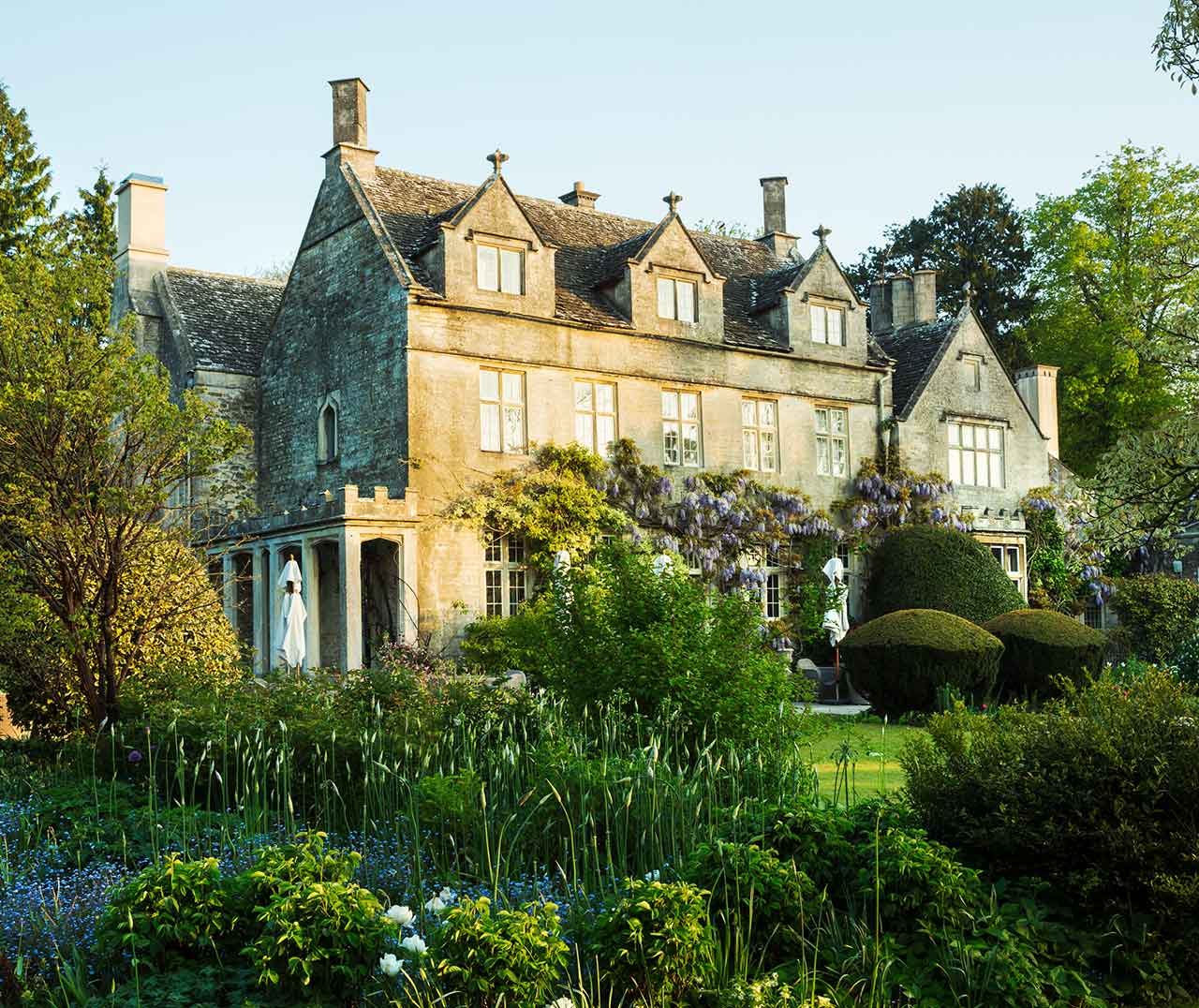
What exactly is a listed building? In the UK, these are protected treasures – more than three million in total, ranging from modest cottages to stately manors – safeguarded by Historic England or local authorities to maintain their historical significance. Any alterations that impact the “special interest” (architectural, historical, or cultural features) require listed building consent. Adding a bold extension without approval could result in penalties or mandatory reversals.
On the positive side, trends in 2026 are shifting towards simpler listed building renovations. The Grosvenor report “Retrofit or Ruin” advocates for a National Listed Building Consent Order, which could enable automatic approval for low-impact upgrades like insulation, reducing bureaucratic hurdles. It is advisable to start by assessing the building’s grade (I, II*, or II) – higher grades involve stricter guidelines, but even these allow for thoughtful historic property updates when they are shown to protect rather than diminish character.
A key recommendation: Engage a conservation architect early on. They can identify essential features and help prepare a heritage statement to support planning applications. Firms experienced in heritage projects, such as GRK Architecture, often bring valuable insights to balance preservation with innovation.
Sympathetic Extensions: Expanding Space Thoughtfully
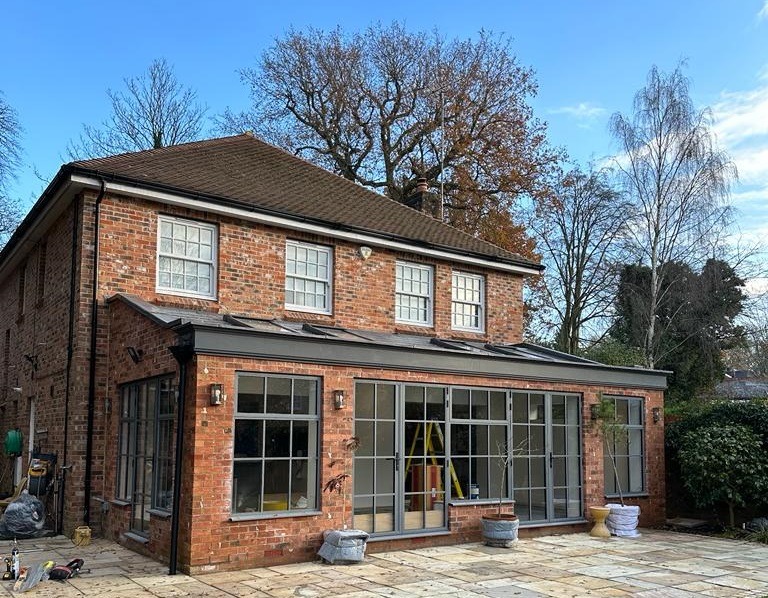
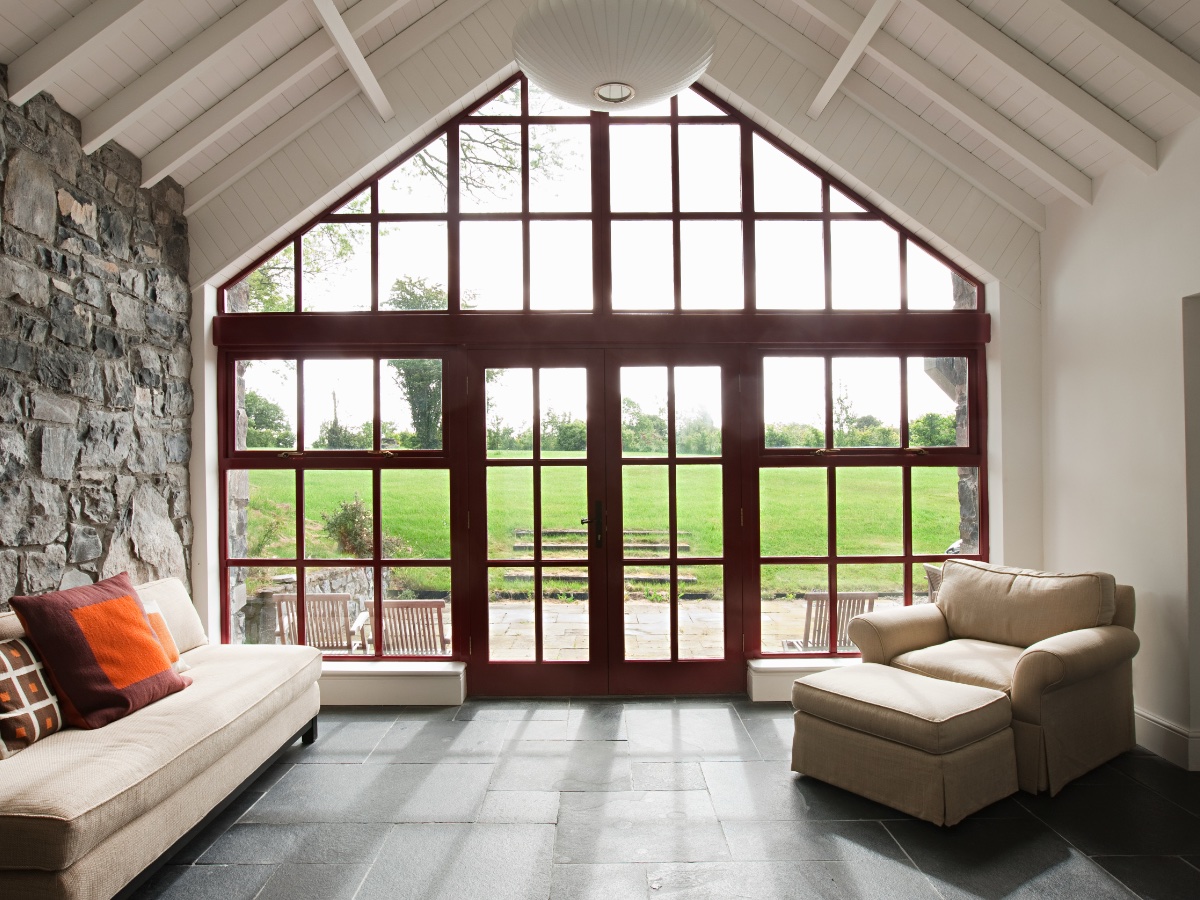
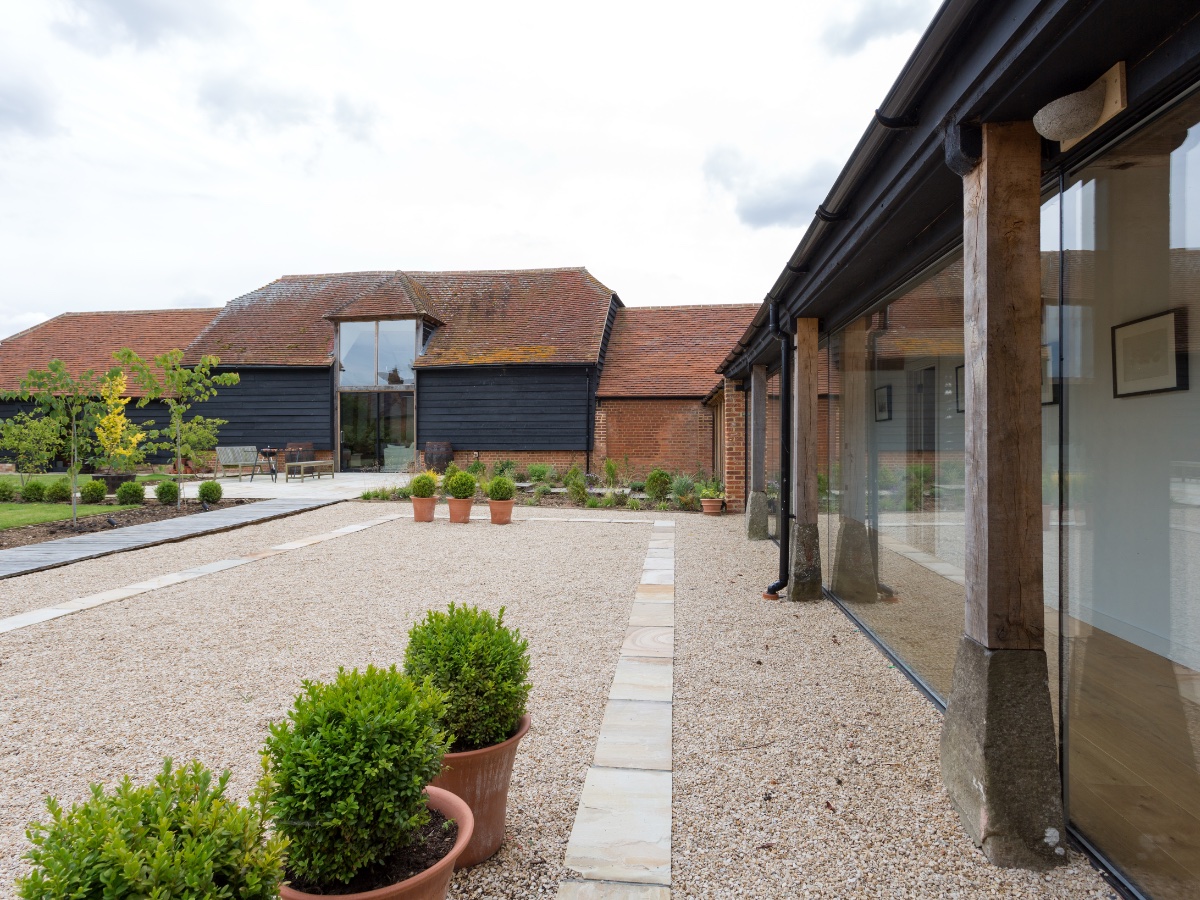
When a listed home feels cramped, sympathetic extensions provide an effective way to modernise a listed building – for example, using glass connectors that link old and new structures like a discreet bridge, allowing natural light to flow without overshadowing the original design.
Glass is often effective as it creates a clear distinction: the historic section stays intact, while the new addition highlights its contemporary nature. Planning authorities value this respectful approach. In London, for instance, projects by specialist firms have successfully integrated modern home design elements, such as open-plan layouts, with heritage roofing.
Ideas for Extensions
- Underground options: Basements or light wells add space without altering exteriors – suitable for creating gyms or home cinemas.
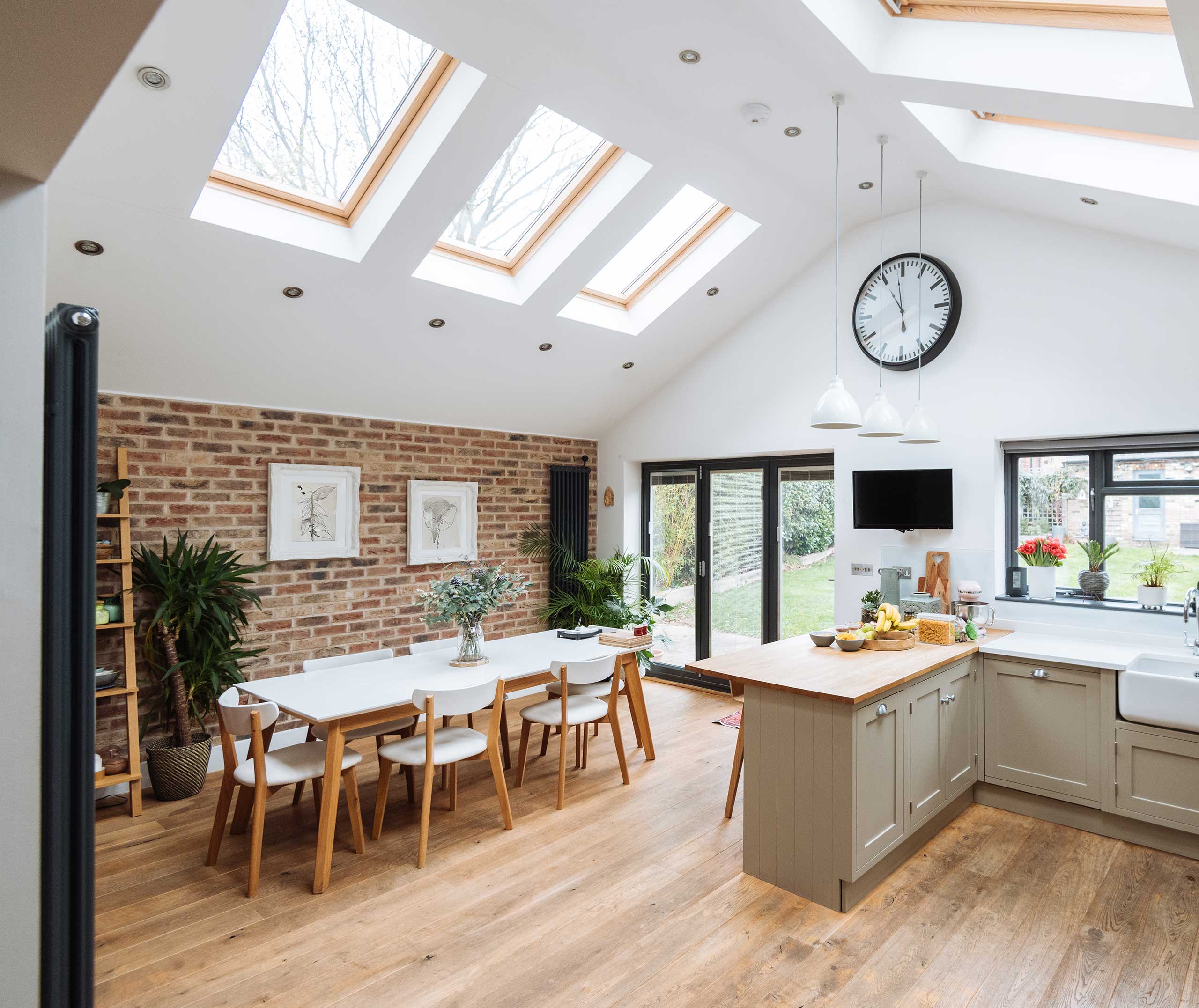
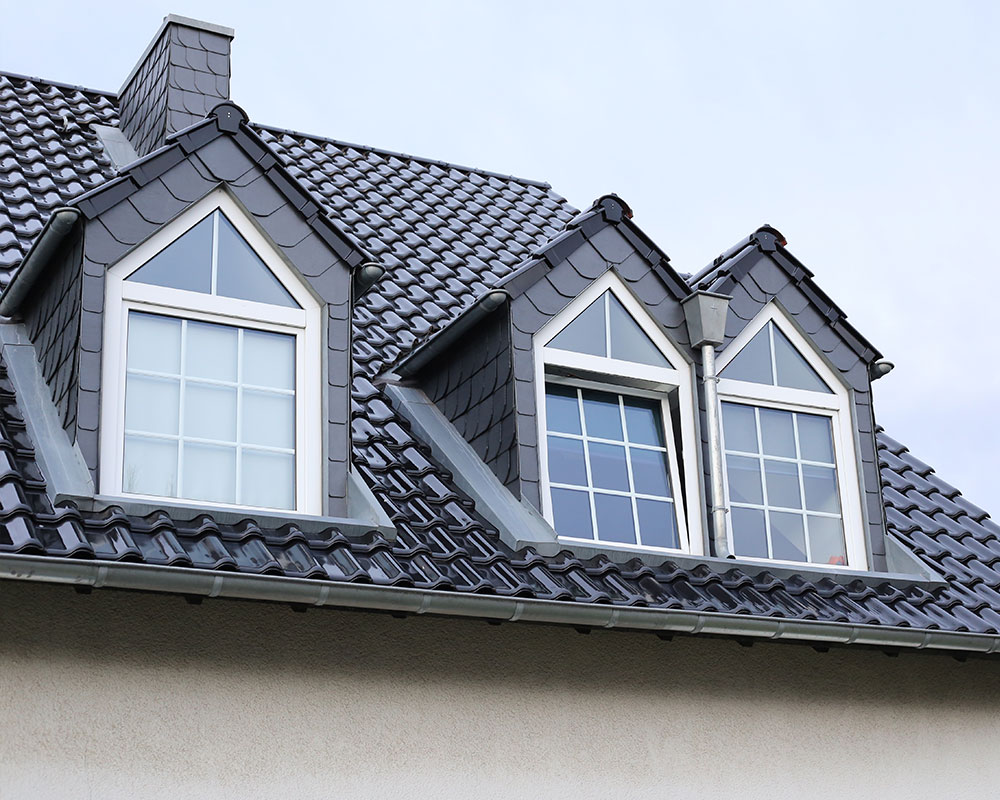
- Loft adaptations: Retain historic beams and add skylights that mimic original dormers. Avoid oversized elements; subtlety is essential.
- Material harmony: Use reclaimed bricks or stone matching the original, incorporating insulated cores for added comfort.
The objective is balance, treating the extension as a complementary feature that enhances the overall property without dominating it.
This image illustrates a historic museum extended with a crystalline modern form – note how the new section contrasts yet harmonises.
Energy-Efficient Retrofits: Improving Comfort Sustainably
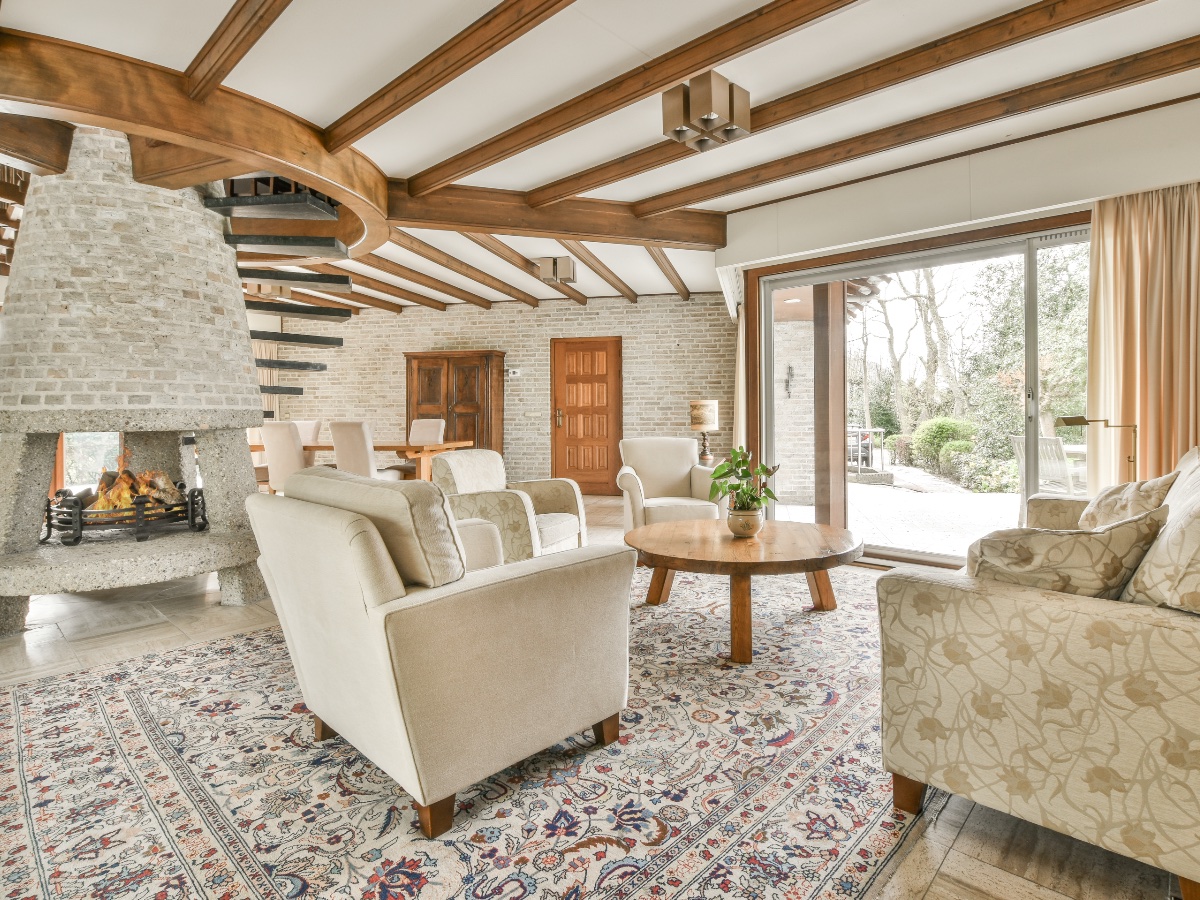
Cold winters in a draughty listed property can be challenging, but energy-efficient retrofits are increasingly popular in 2026, supported by initiatives for sustainable heritage homes. Historic England’s latest guidance emphasises a “whole-building” strategy: evaluate how the property “breathes” (as older walls resist airtight sealing) before making changes.
Rather than replacing elegant sash windows, secondary glazing offers a reversible solution that boosts insulation while preserving character. Underfloor heating with water pipes can also be installed carefully to protect existing floors.
Retrofit Suggestions
- Insulation choices: Select breathable materials like sheep’s wool for walls or roofs. Steer clear of foams that trap moisture and lead to decay.
- Integrated smart technology: Hide voice-controlled thermostats behind period panels. AI systems can learn usage patterns to optimise heating discreetly.
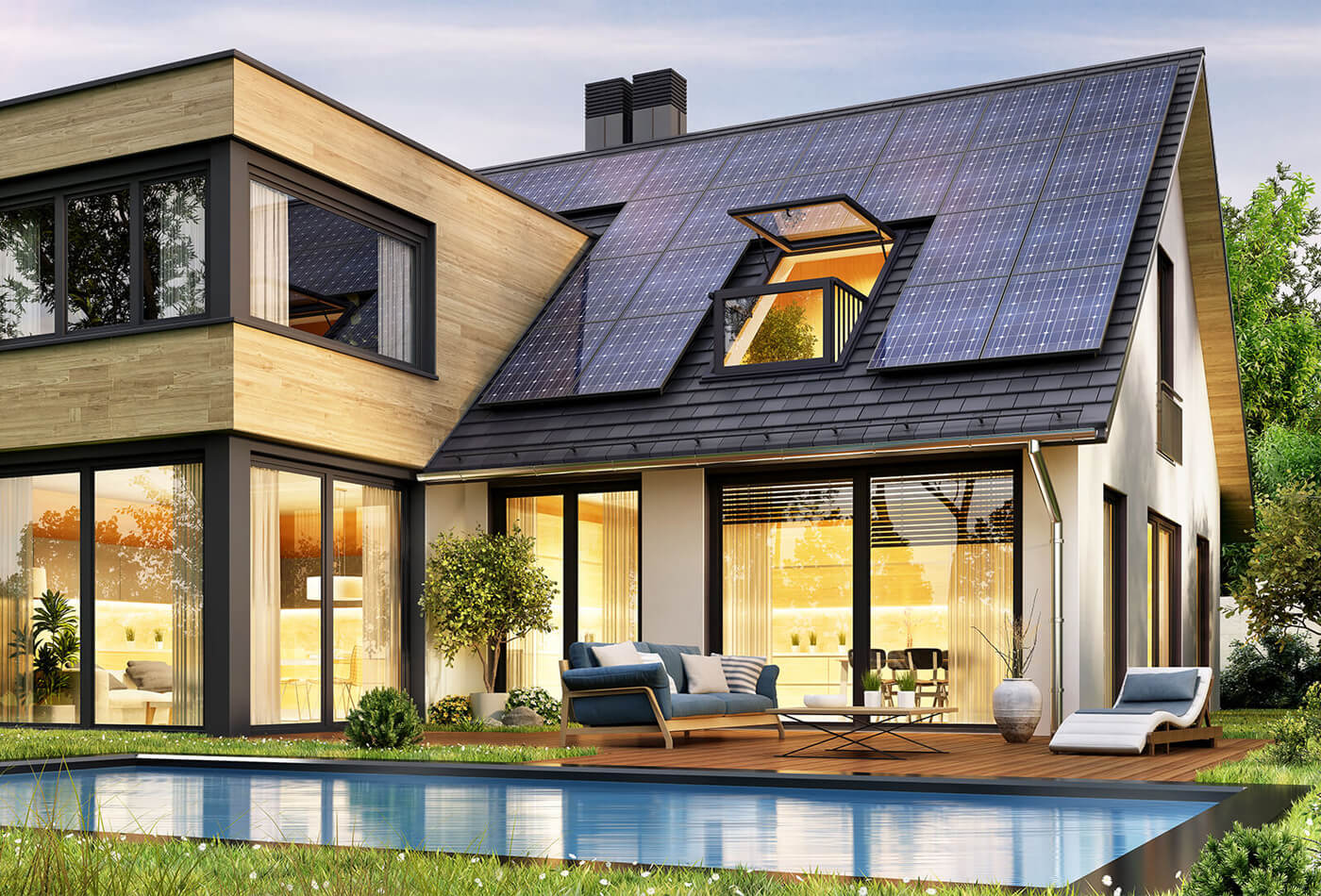
- Discreet renewables: Incorporate roof-integrated solar tiles resembling slate, or install ground-source heat pumps out of sight.
- Lighting improvements: Fit LED bulbs into vintage fixtures to cut energy use without aesthetic clashes.
These historic property updates can reduce bills by up to 20% (based on EU studies) and align with evolving environmental standards. Importantly, always assess for humidity risks first; improper retrofits can cause more issues than they resolve. Specialist architectural guidance can help navigate these complexities for optimal results.
This shows a reflective glass extension on a historic building – it echoes the old while introducing modern elements.
Interior Adjustments: Balancing Tradition and Convenience
Interiors offer greater flexibility for modernisation. Overlay contemporary comforts on preserved elements: accentuate exposed beams with understated LED lighting, or protect original floors with rugs while adding heated underlays.
A notable example from Cambridge involves a listed barn updated with hidden wiring for smart audio systems, allowing music to integrate naturally. Focus on reversible modifications to avoid impacting historic materials.
Interior Guidance
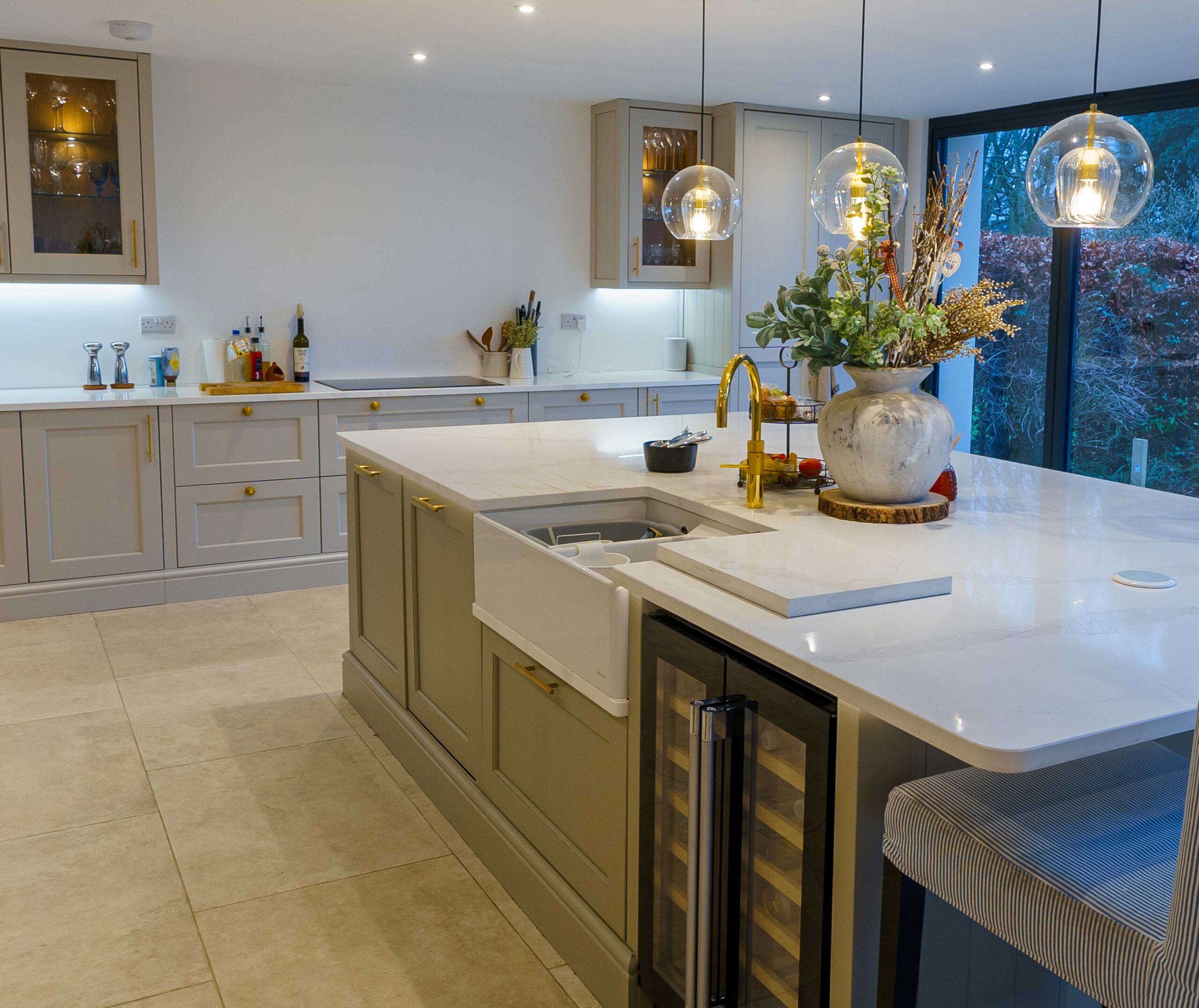
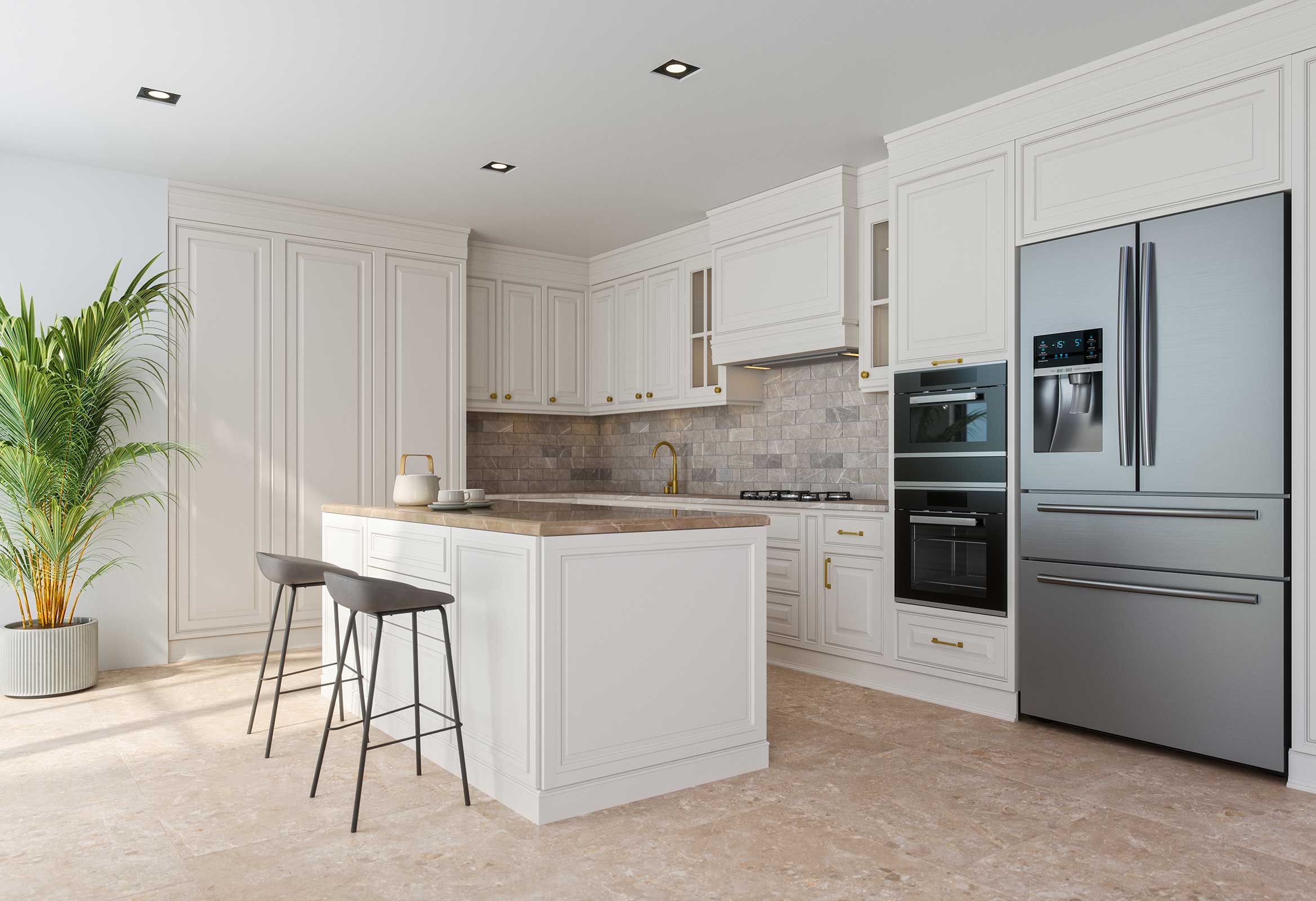
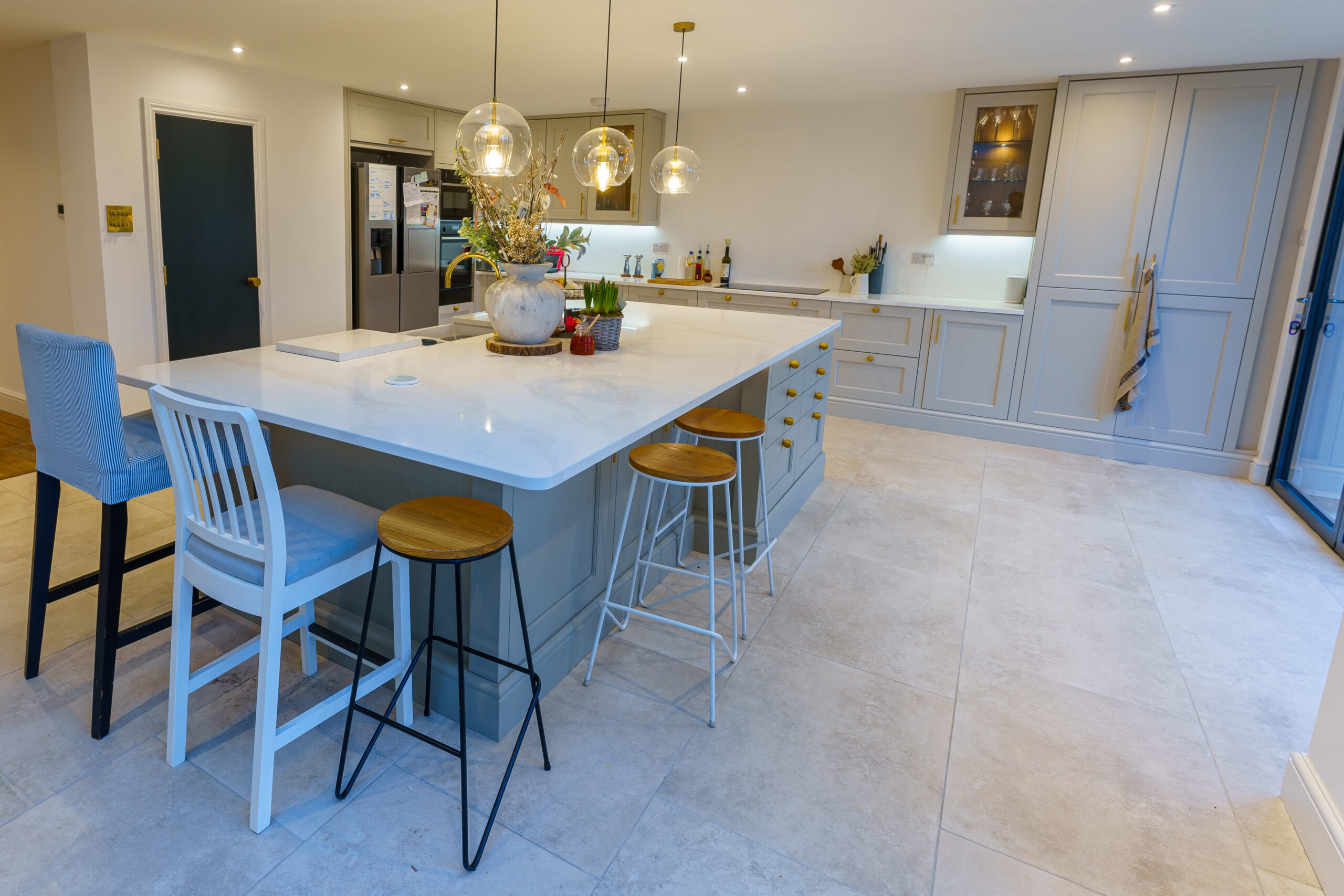
- Kitchen and bathroom refreshes: Use built-in appliances within bespoke cabinetry that echoes the era – such as Victorian-style fronts hiding modern features.
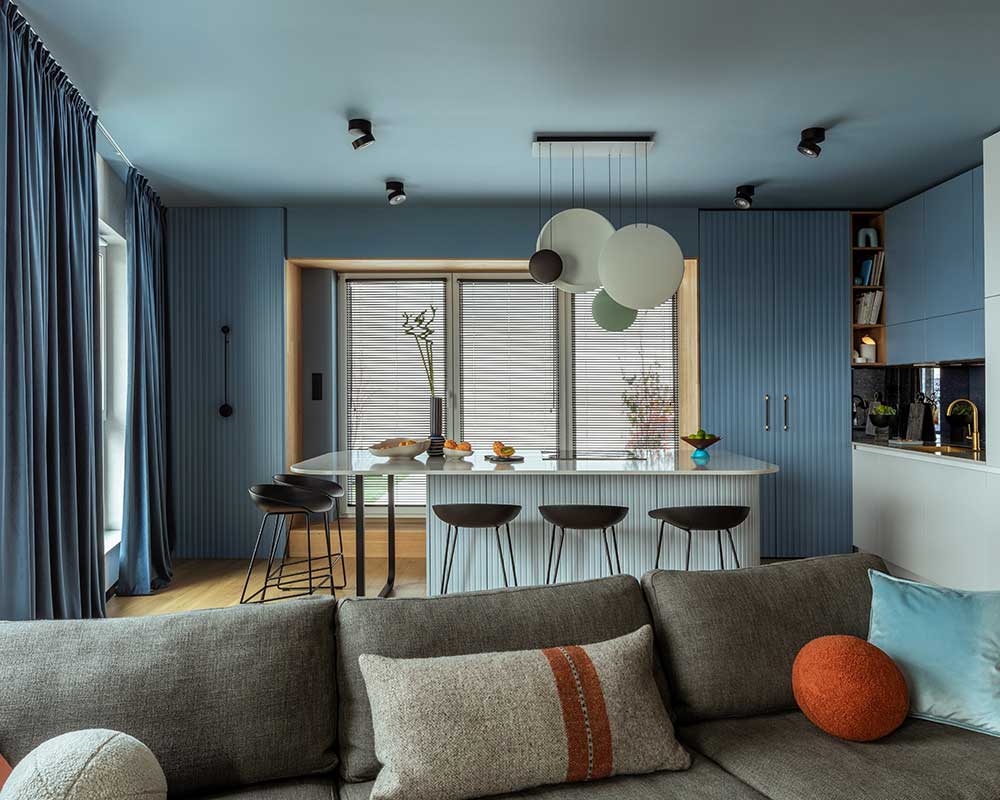
- Colour and furnishings: Apply vibrant modern paints to non-structural surfaces, while keeping core features in neutral tones.
- Accessibility features: Introduce unobtrusive ramps or lifts designed to blend as furniture for future-proofing.
For more inspiration, related resources on sustainable home extensions or smart technology for heritage properties are worth exploring.
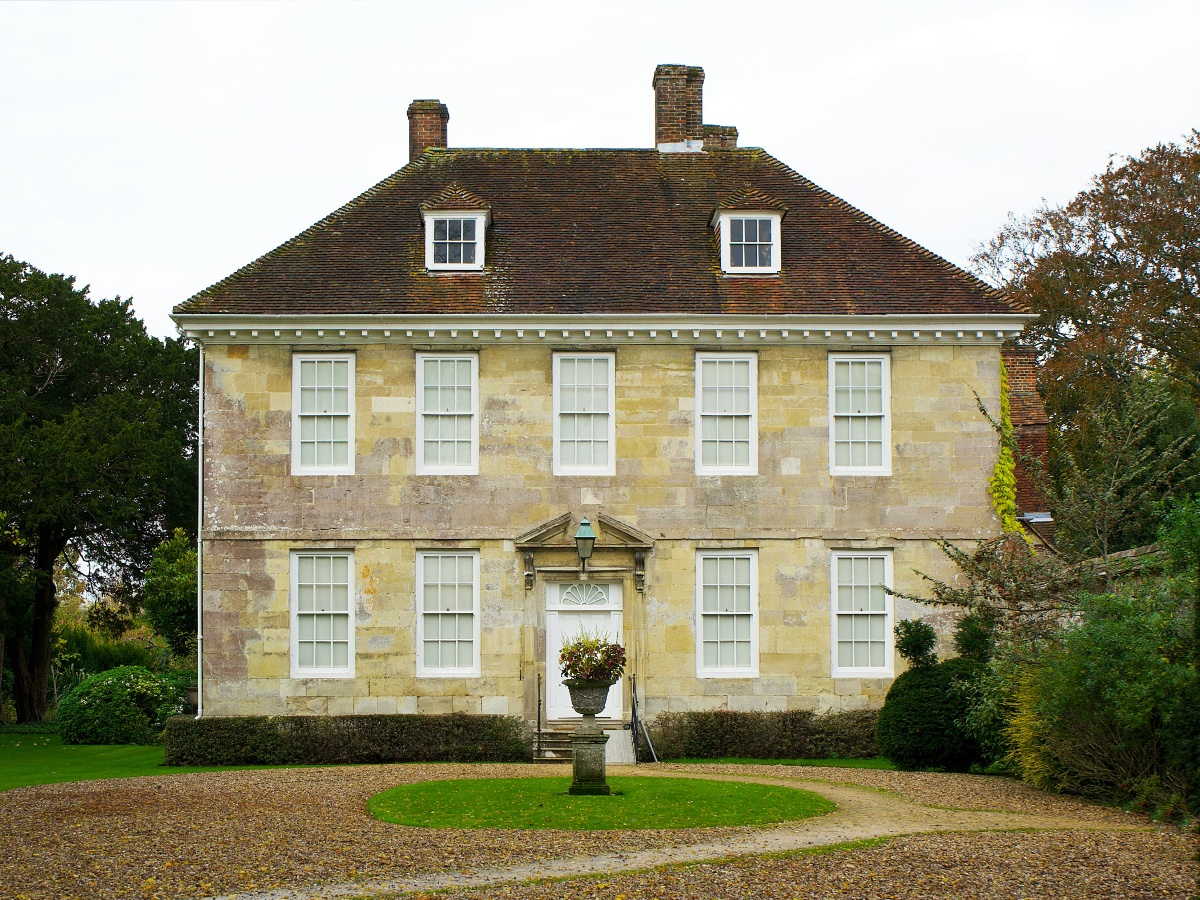
This depicts a cottage renovation – the updated version retains warmth with refreshed windows and surroundings.
Conclusion: Achieving a Blend of Past and Present
In essence, modernising a listed building without losing its character is entirely achievable through respect, innovation, and careful planning. Sympathetic extensions, energy-efficient retrofits, and thoughtful interiors can create a space as functional as a modern smart home, yet as distinctive as its historical roots.
For those embarking on such a project, partnering with experienced professionals like GRK can streamline the process, from consents to final design, as we’re specialist listed building architects. The past can enrich the future – why not start exploring possibilities today?