I Live in a Listed Building, Can I Still Renovate My Home?
Living in a listed building? Discover what renovations are possible, the permissions you’ll need, & how to update your home while preserving its historic charm.
We assess how historic buildings have been constructed and how they have changed over time, so repair work can be planned in a way that solves problems properly and protects what makes the building special.
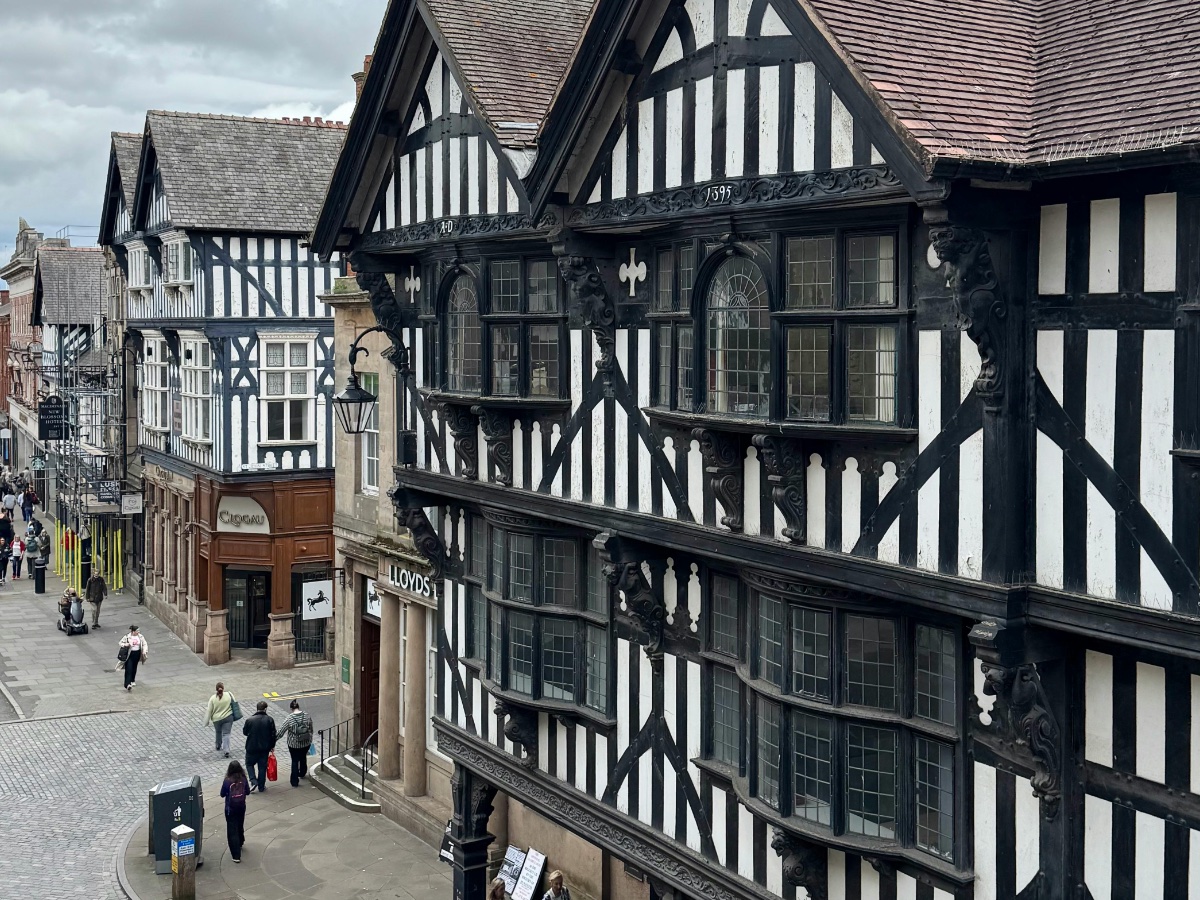
Historic buildings were constructed using very different materials and methods from modern homes. Stone, brick, lime mortar and traditional timber structures all behave in their own way, and they need to be treated with care. Repairs that work well on a modern building can sometimes cause long-term harm to an older one.
Restoration and repair work is about more than fixing what looks damaged. It is about understanding how the building works and choosing solutions that protect its character and performance over time.
Before any repair work is planned, it is important to understand what is actually causing the problem. Damp, cracking or decay are often symptoms of an underlying issue rather than the issue itself.
Each project begins with a close look at how the building has been constructed and how it has changed over the years. This helps identify where moisture is entering, which materials are failing and which elements are still performing well. By understanding the building properly, repair strategies can be developed that address the root cause rather than relying on short-term fixes.
This early understanding helps avoid unnecessary replacement of historic fabric and keeps repairs focused and proportionate.
Historic buildings benefit from a light-touch approach wherever possible. The aim is to retain original materials and details rather than remove and replace them unnecessarily. Where replacement is needed, compatible materials and traditional techniques are used so new work behaves in the same way as the existing structure.
This approach protects the appearance of the building and helps maintain its long-term health. Repairs are designed to blend naturally with the original fabric, rather than standing out or introducing materials that could cause future problems.
Good restoration work should feel like part of the building, not something added later.
Let’s explore the possibilities of your space and start the exciting journey of bringing your lifestyle aspirations to life.
Book your free consultation at your home or at one of our offices in Southampton, Bournemouth, Farnham, or Portsmouth.
Repair work is not just about solving today’s issues. It should also help the building perform better in the long term. This might involve improving ventilation, dealing with water management or correcting inappropriate alterations made in the past.
Design input ensures that repairs are well detailed and properly thought through, rather than reactive. This reduces the likelihood of the same problems returning and helps extend the life of the building.
Where buildings are being adapted alongside repair work, both elements are considered together so that restoration and improvement work as part of a single, coherent strategy.
Some repair and restoration work requires Listed Building Consent or planning permission, particularly where original fabric is affected. Understanding when permission is needed and how to approach it is an important part of the process.
Drawings and supporting information are prepared to explain why repairs are necessary and how they will be carried out sensitively. This helps planning and conservation officers understand that the work is focused on protecting the building rather than altering its character.
By presenting repair work clearly, approvals are more likely to progress smoothly and with fewer complications.
The aim of restoration and repair is to ensure that historic buildings remain sound, usable and valued for years to come. Sensitive repair protects architectural character while allowing buildings to continue being lived in and enjoyed.
With the right approach, historic properties can be cared for in a way that respects their past and supports their future, ensuring they remain a practical and meaningful part of everyday life.
Let’s explore the possibilities of your space and start the exciting journey of bringing your lifestyle aspirations to life.
Book your free consultation at your home or at one of our offices in Southampton, Bournemouth, Farnham, or Portsmouth.

Living in a listed building? Discover what renovations are possible, the permissions you’ll need, & how to update your home while preserving its historic charm.

As residential architects in Portsmouth, we share best practices for communicating with your architect, ensuring smooth home design, renovation, and construction projects.

Learn how to avoid common mistakes in home building projects. As residential architects in Hampshire, we guide homeowners to stay on budget, on schedule, and on plan.
As residential architects in Surrey, we explain architect fees and how to budget for a home renovation or extension project with clarity and confidence.